PhantomGuard vs Traditional WordPress Security Plugins
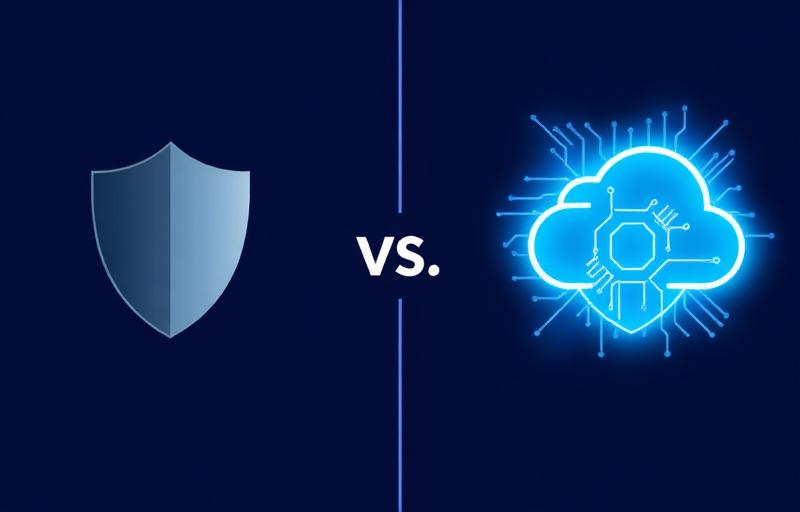
When it comes to securing WordPress, there are two fundamentally different approaches: server-side plugins that run inside WordPress, and edge-level protection that filters traffic before it reaches your server.
Server-Side Security Plugins
Plugins like Wordfence, Jetpack Security, and AIOS operate inside your WordPress installation. They hook into WordPress core to monitor activity, scan files, and block suspicious requests.
Advantages:
- Deep integration with WordPress internals
- File integrity monitoring and scanning
- Login activity logging
Disadvantages:
- Consume server CPU and memory
- Can slow down your site, especially during scans
- Threats reach your server before being blocked
Edge-Level Protection (PhantomGuard)
PhantomGuard operates at the CDN/WAF layer, intercepting traffic before it reaches your WordPress server.
Advantages:
- Blocks threats before they touch your server
- Reduces server load and improves performance
- No WordPress resources consumed by security processing
- Works with any hosting environment
The Best Approach:
For maximum protection, you can combine both — PhantomGuard handles external threats at the edge, while a lightweight internal plugin handles file monitoring and login logging.